Milk Jugs
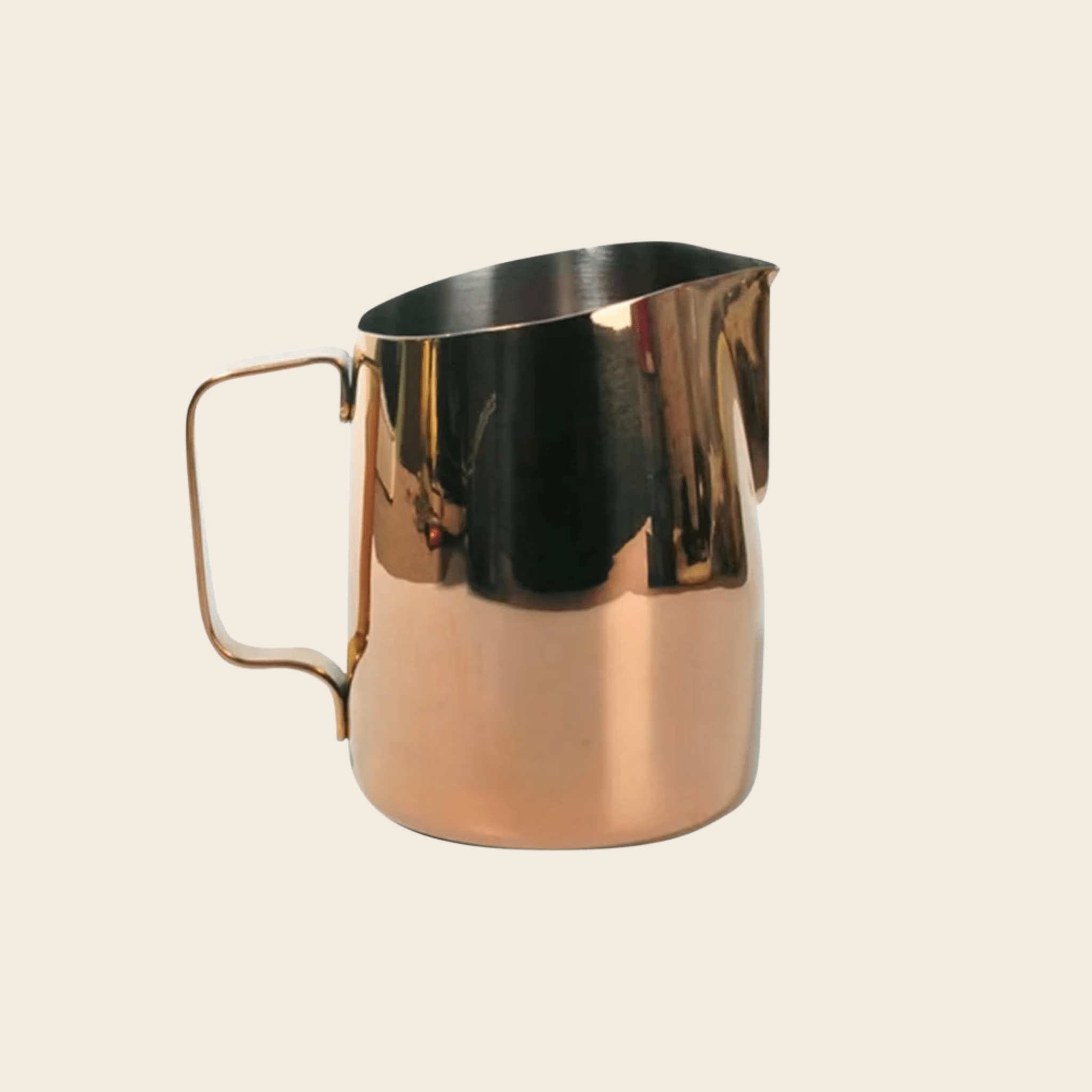
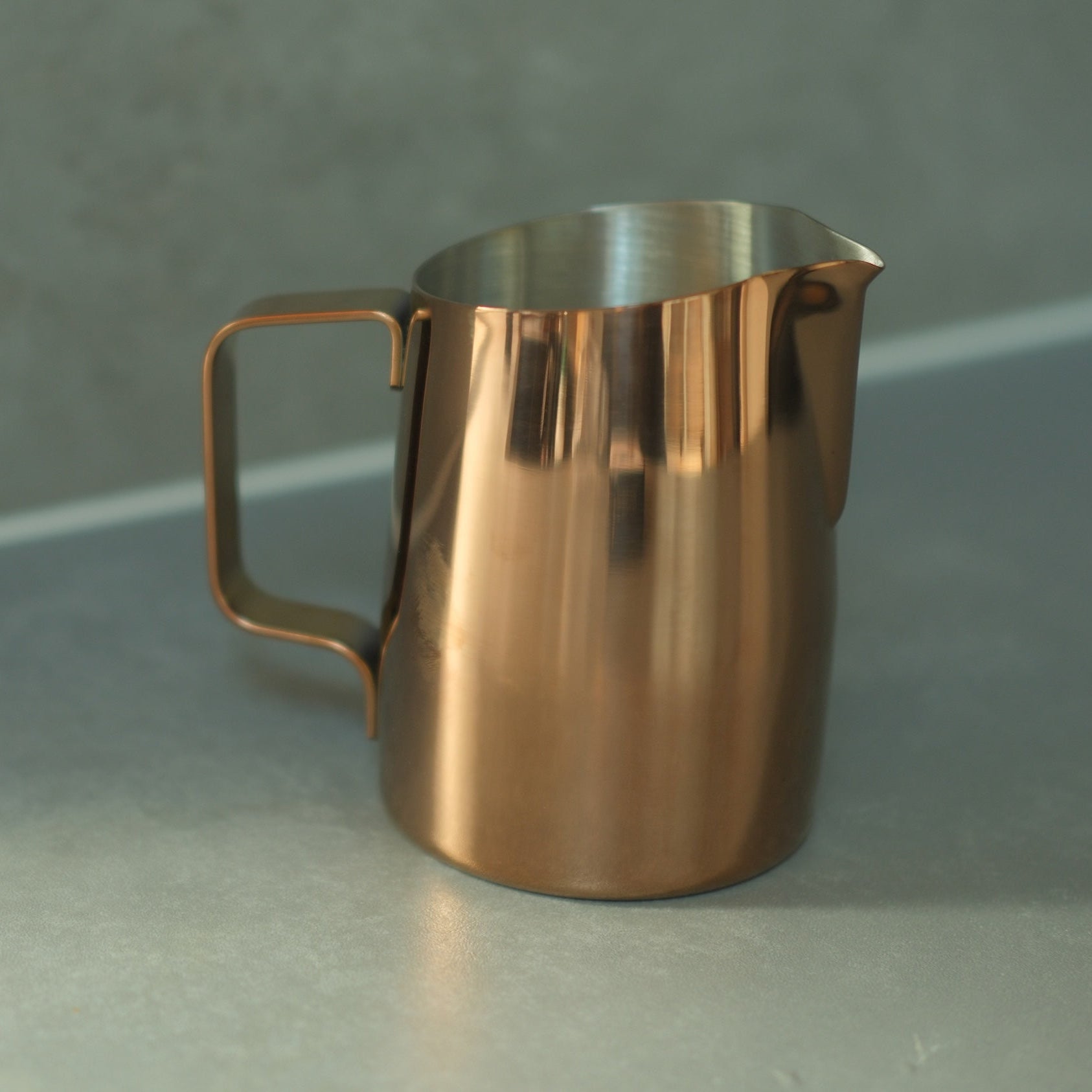
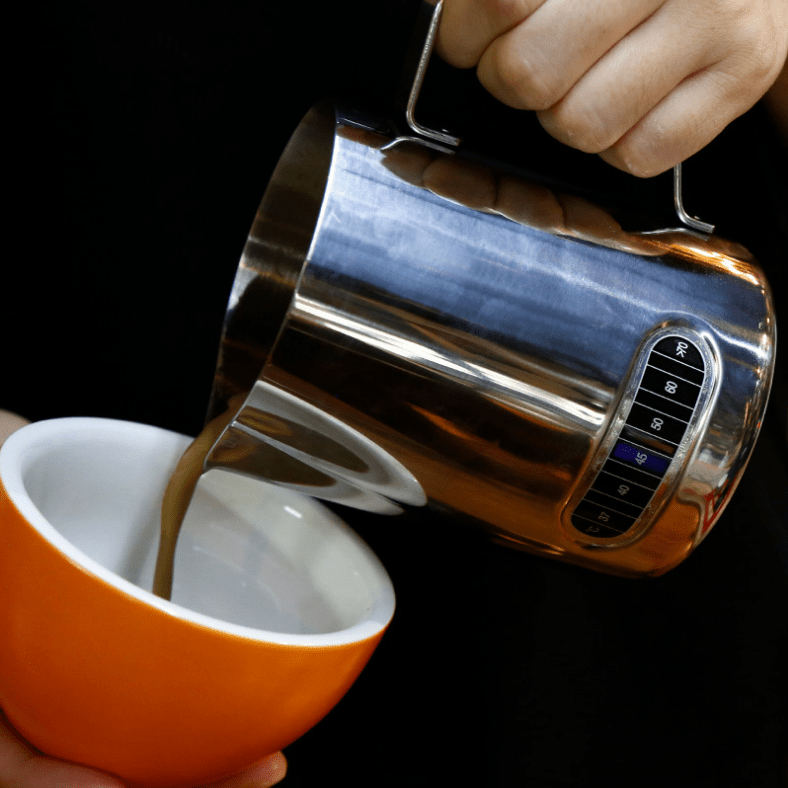
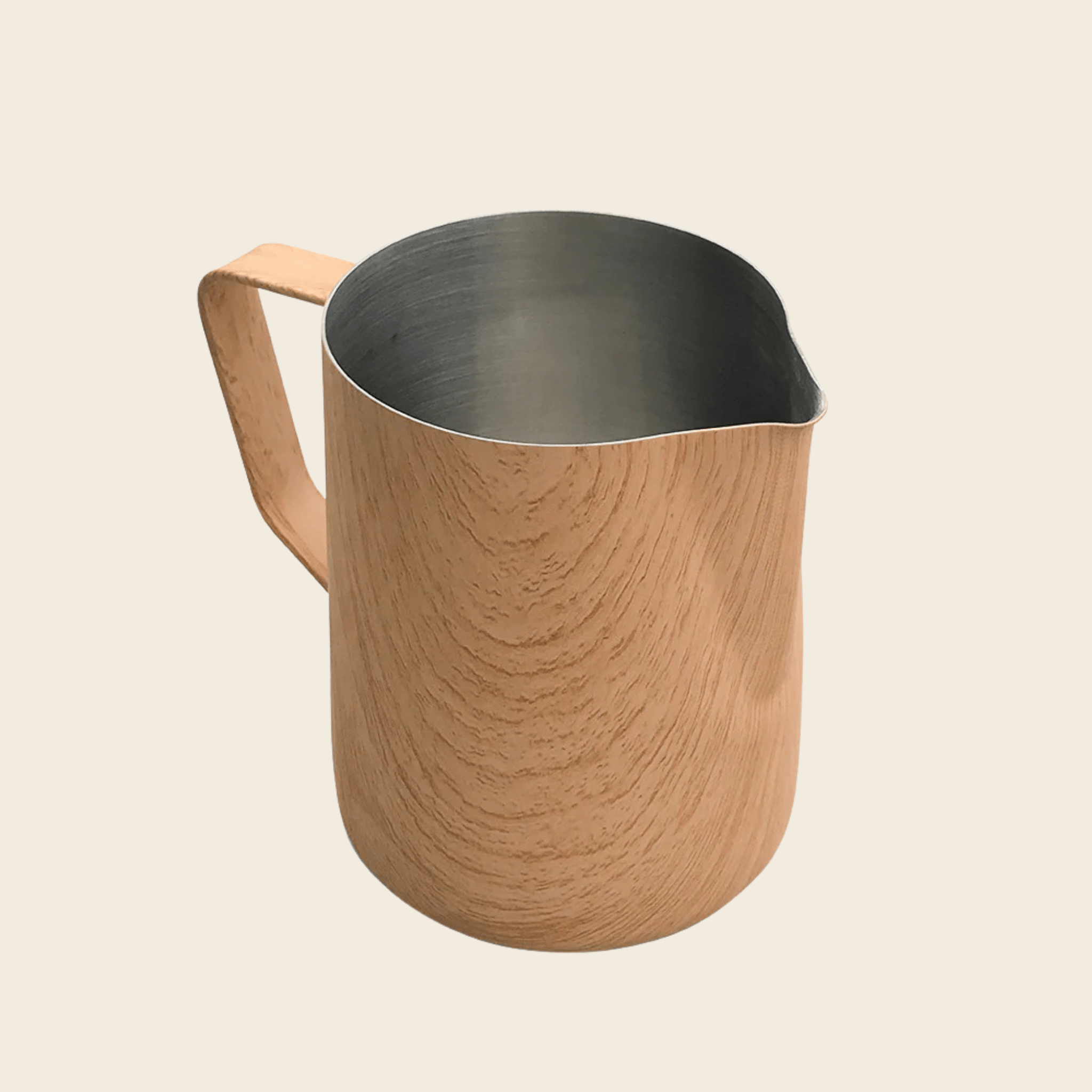
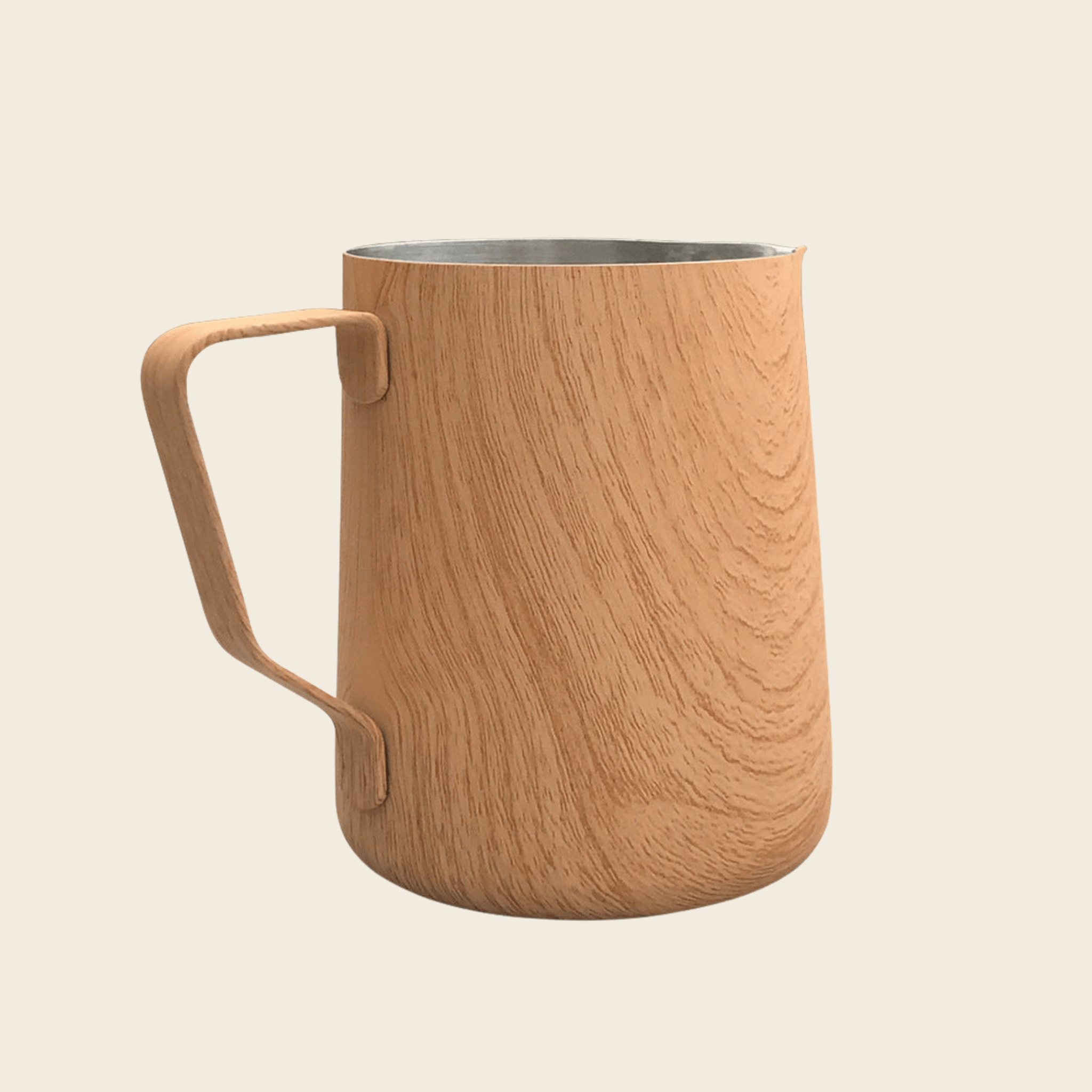
Master silky microfoam with a precision milk jug. Choose a size that suits your drink (420–600 ml are most popular). Practice positioning and stretching to create glossy, paint-like milk for latte art.
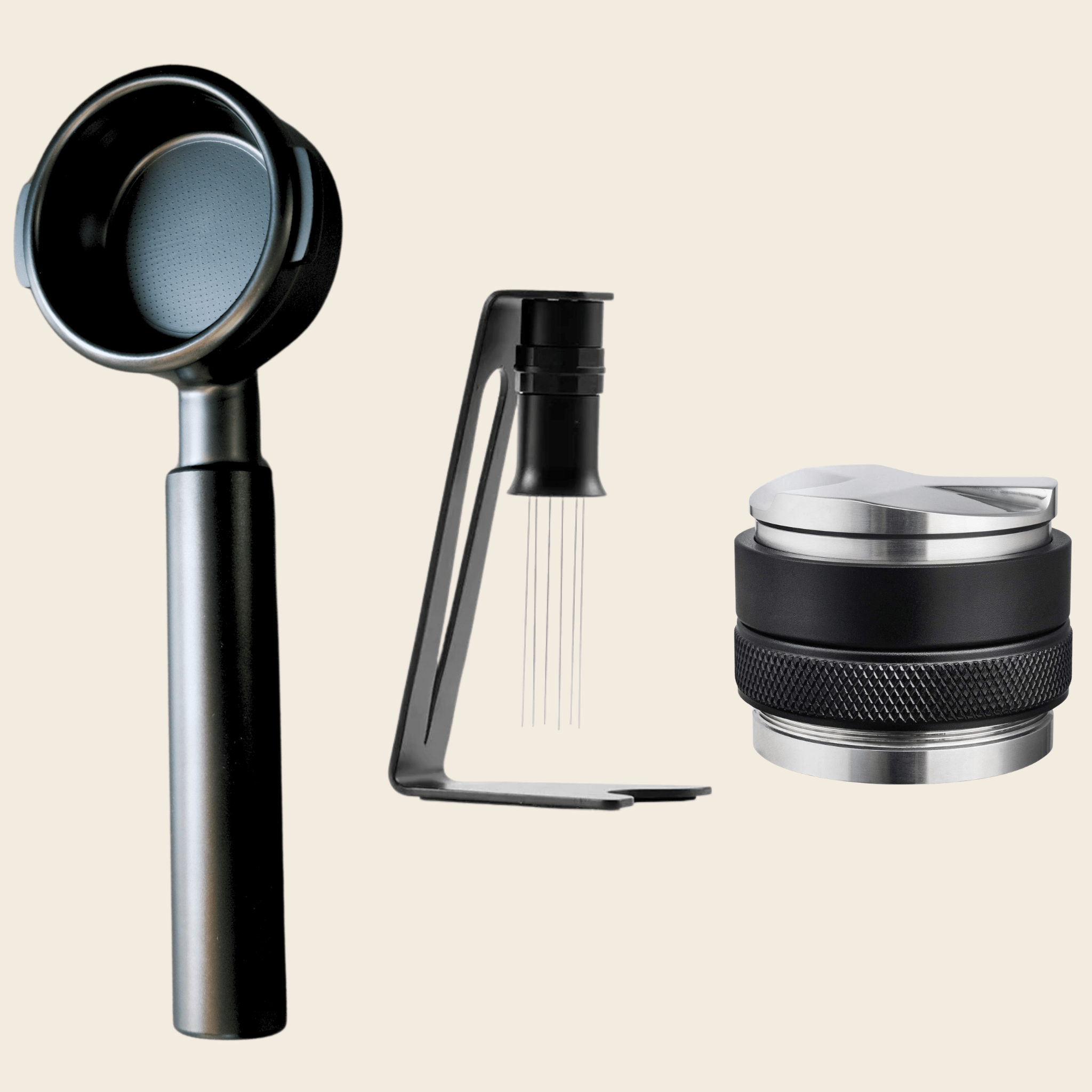
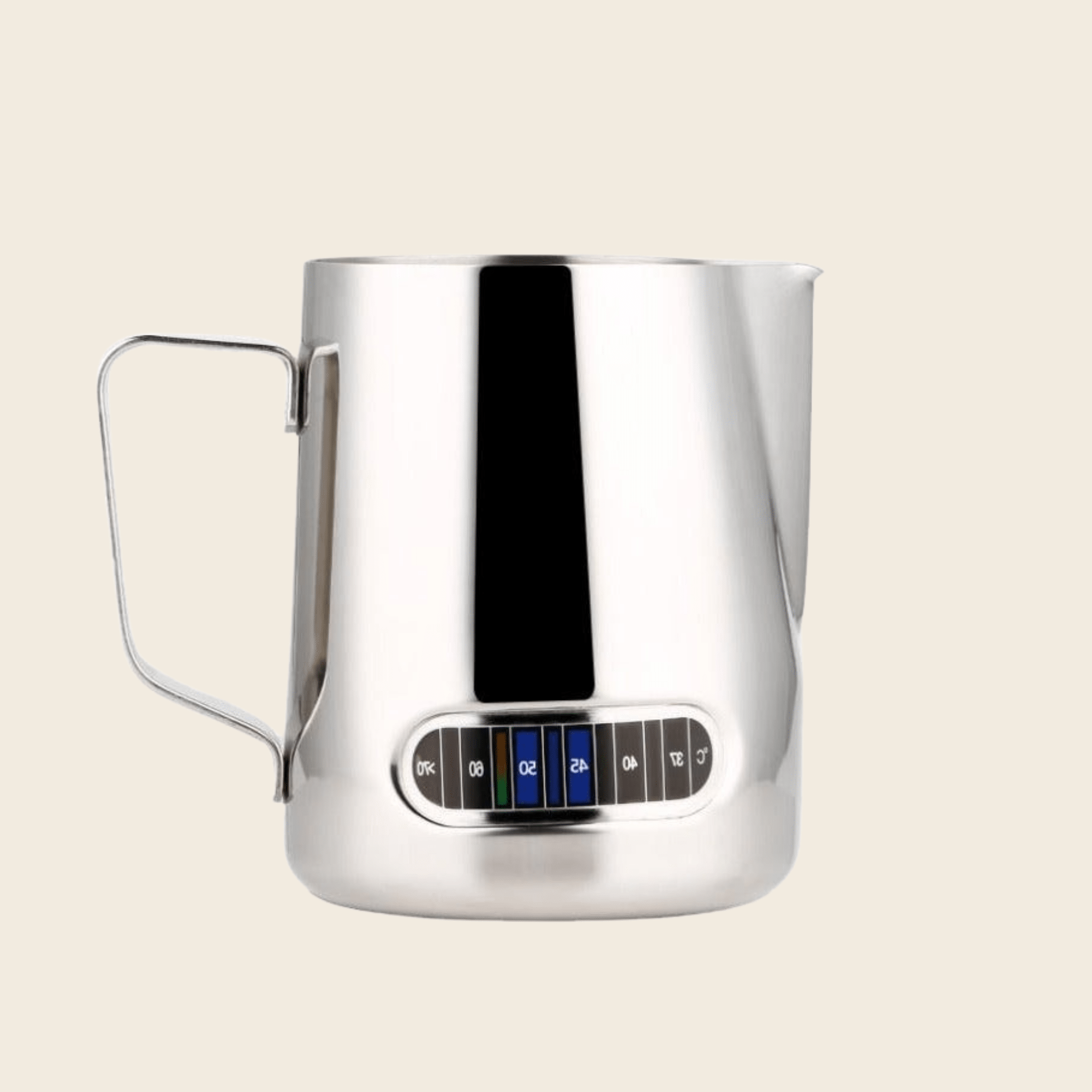
New to steaming? Start with a Milk Thermometer, and see our guides (coming soon). Upgrade your espresso workflow with a Portafilter and Tamper.


Frequently Asked Questions
What size milk jug should I buy for making lattes and flat whites?
For most home baristas making flat whites or lattes for one or two people, a 350ml–420ml jug is the sweet spot. It gives you enough milk to froth with good technique without too much excess. If you regularly make larger drinks or multiple coffees at once, a 600ml jug is a better choice. We generally recommend the 420ml as the best all-rounder for home use.
Does the shape of a milk jug affect frothing?
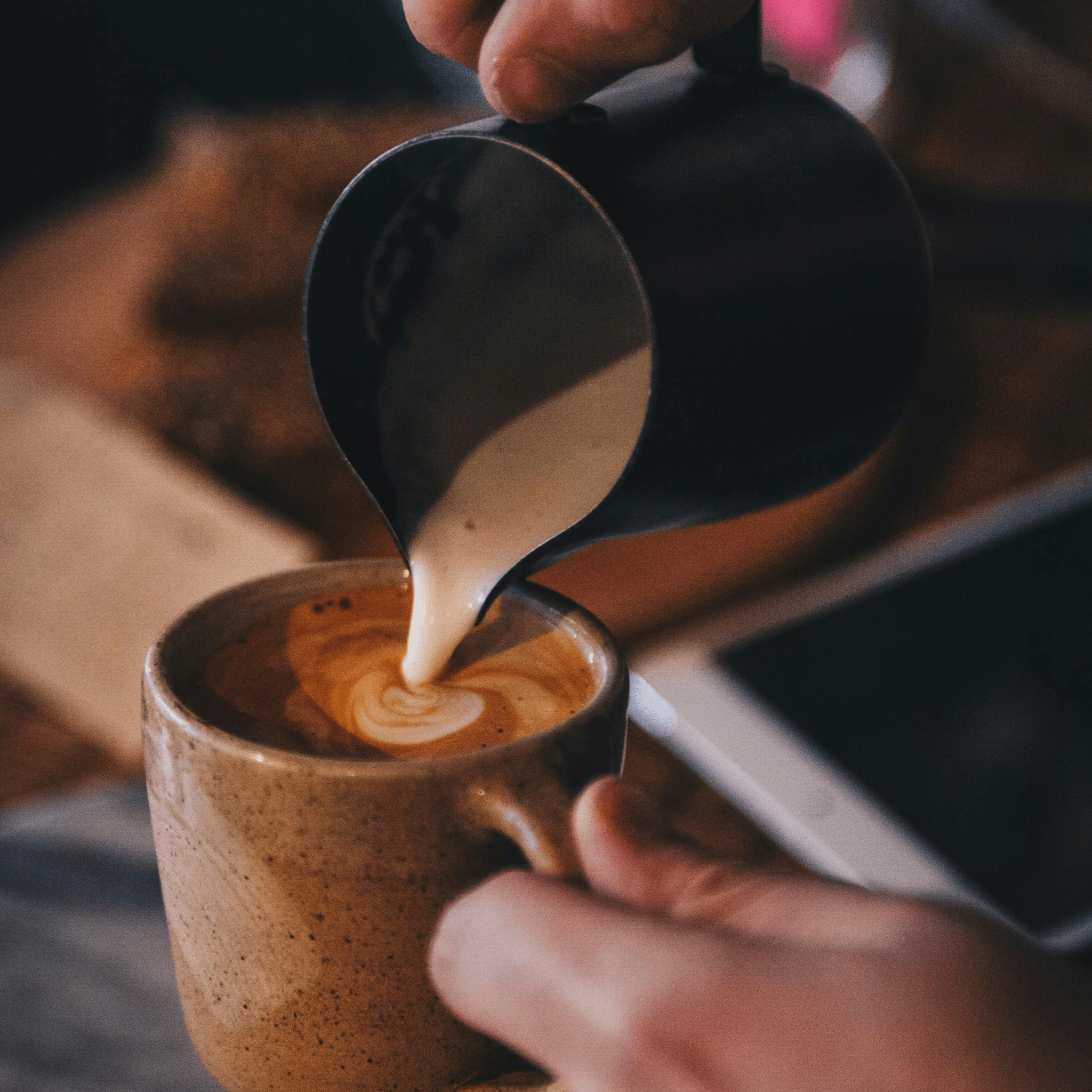
Yes, quite significantly. Jugs with a sharper, more precise spout give you better control when pouring latte art. Wider-mouthed jugs are generally easier to froth in as they create a better vortex. Tapered jugs work well for latte art due to the concentrated pour they enable. For beginners, a standard spouted 420ml jug is the most forgiving choice.
What material is best for a milk frothing jug?
Stainless steel is by far the best material for a milk frothing jug. It conducts heat well, allowing you to feel the temperature of the milk through the jug walls as it heats — which is how baristas know when to stop steaming without a thermometer. It's also durable, easy to clean, and doesn't absorb odours. All jugs in our range are stainless steel.
How do I get smooth, silky microfoam for latte art?
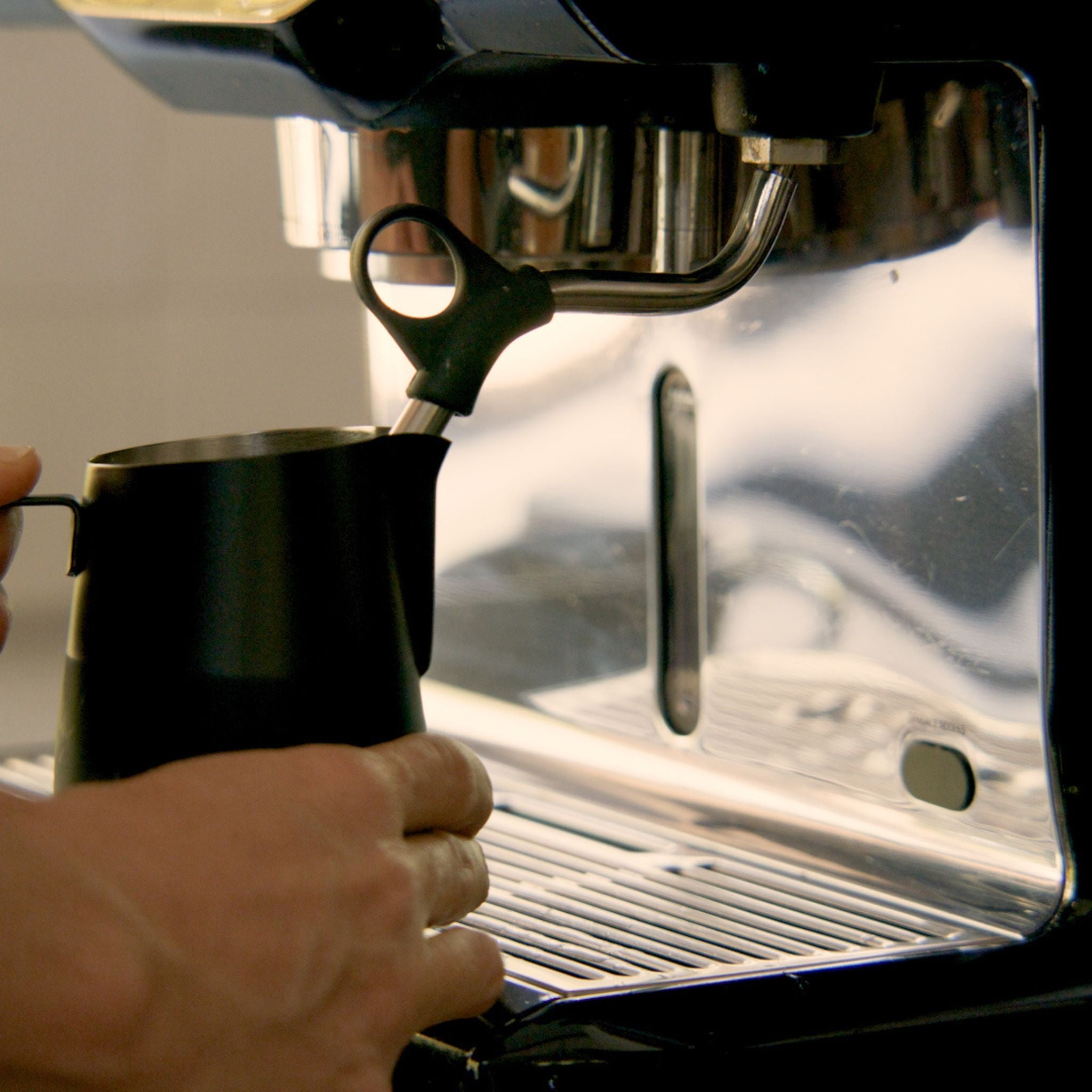
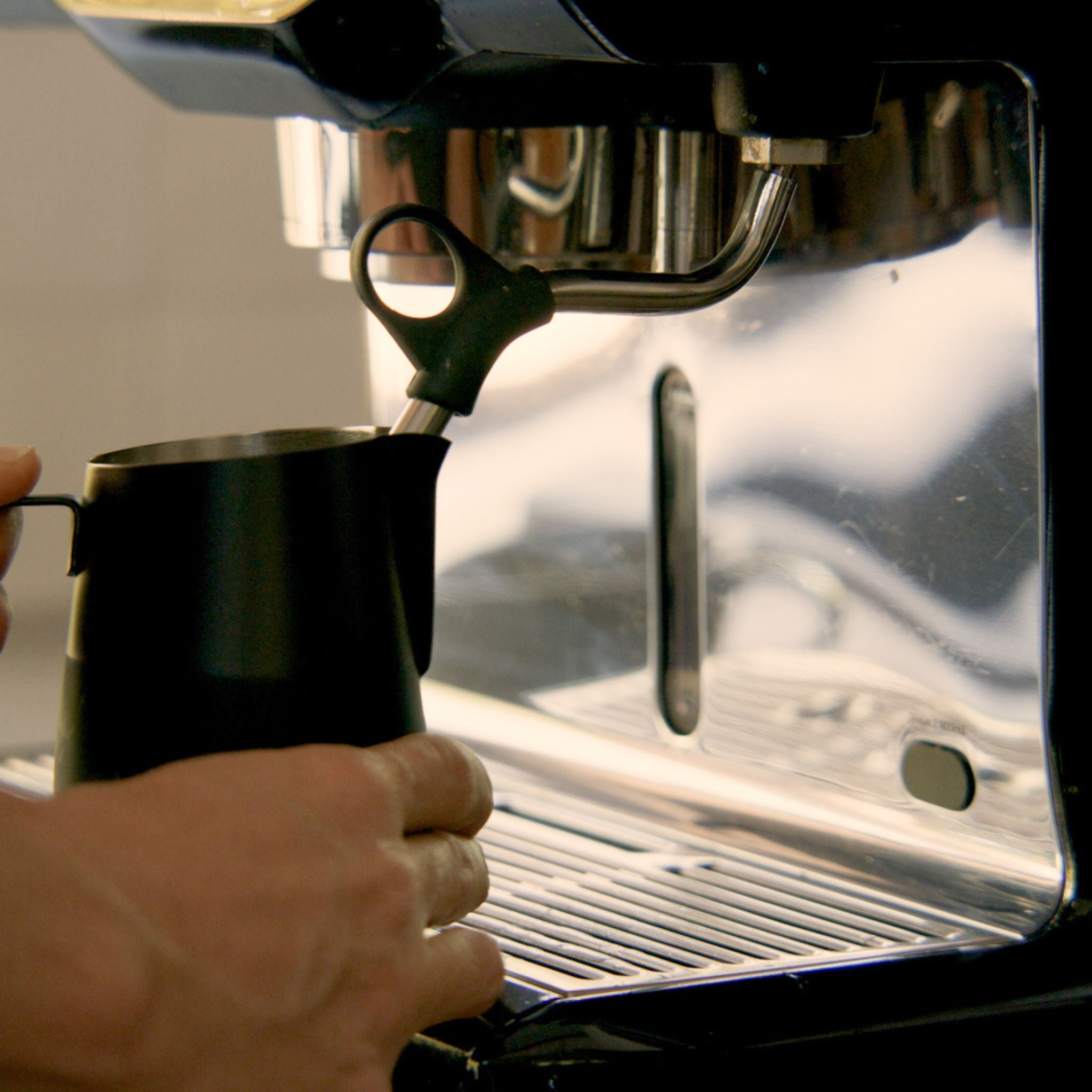
Start with cold milk and a cold jug. Position the steam wand just below the surface at an angle to create a spinning vortex — introduce a small amount of air in the first few seconds (you'll hear a light hissing sound), then submerge the wand tip slightly to heat and incorporate the foam. Stop when the jug is warm to the touch (around 60–65°C). Tap the jug on the counter and swirl to remove any large bubbles before pouring immediately.